Feature documentary · In development

Tackling Concussion

A 90-minute feature documentary — fighting the biggest health crisis sport has ever faced.

A feature documentary by Dylan Taylor
Produced by AS Cinema · Lausanne

Watch the trailer

Password — Concussion_2025

Time is running out

Seven reasons this film
cannot wait.

  1. 01High-profile athletes are dying every year from brain damage.
  2. 02Millions are hitting their heads every day — at least 69 million concussions a year.
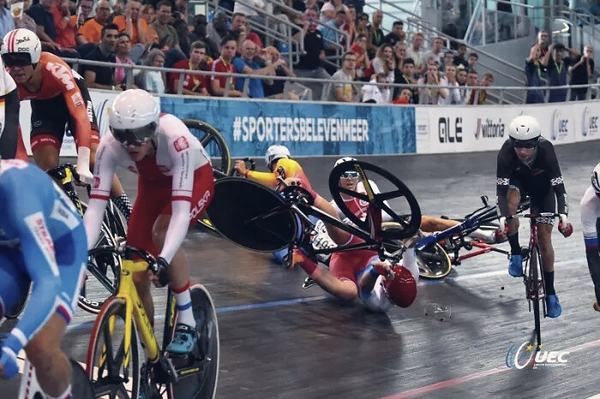
  3. 03All sports are affected. Cycling contributes to the most injuries.
  4. 04All people are affected. 27% of adults have had a concussion.
  5. 05Class action lawsuits are already underway in rugby and football.
  6. 06The global cost: $400 billion a year.
  7. 07No real answers — until now.

Synopsis

A raw personal journey.
Game-changing discoveries.

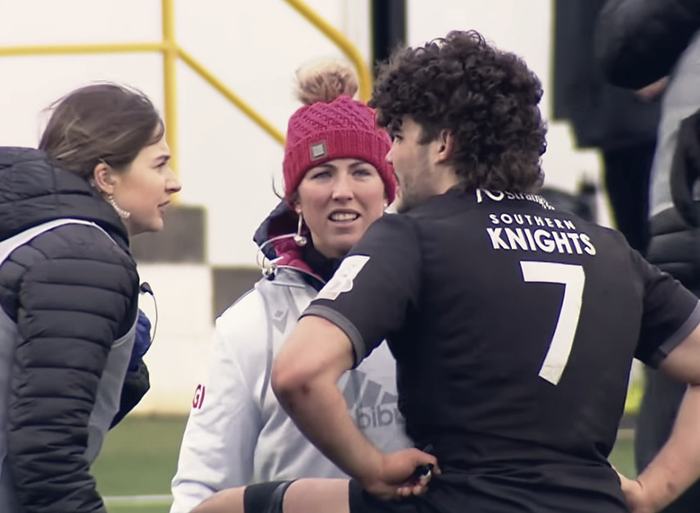
In 2020, Dylan Taylor is twenty. He plays rugby. He has his whole life ahead of him. One collision. Unremarkable, on the face of it. The kind of contact players absorb dozens of times a season. But something doesn't come back. Days pass. Then weeks. Then months. The headaches settle in. The migraines sharpen. The dizziness never leaves him. He can no longer read. No longer sleep. No longer think clearly. The doctors he sees — in Switzerland, across Europe, in North America — all reach the same verdict, cold and final: “The damage is permanent. Learn to live with it.” Dylan Taylor is twenty years old. He has just been told his life is over.

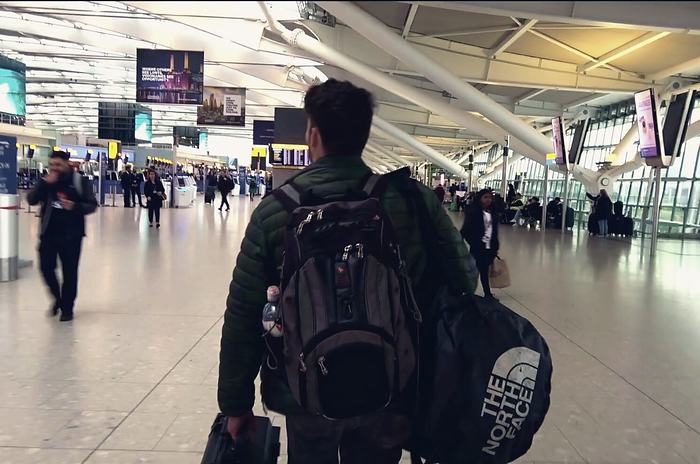
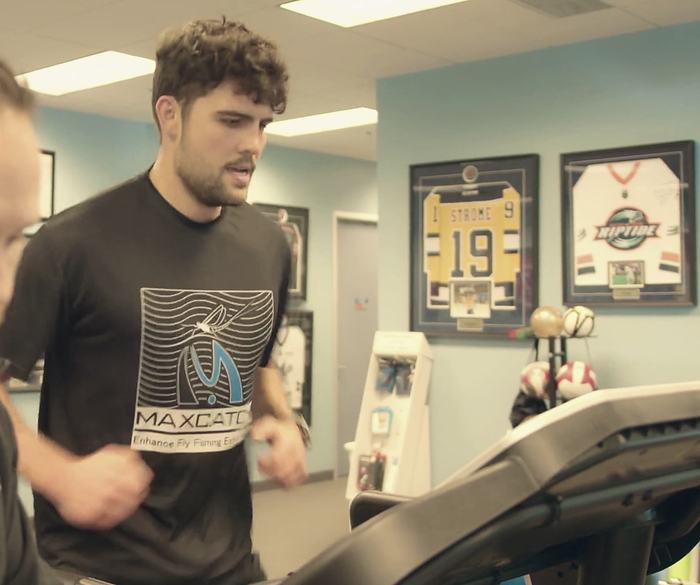
But Dylan refuses that verdict. For six years he searches, experiments, meets specialists, and immerses himself in the lives of former athletes severely diminished by concussion, of their families, and of the doctors developing new approaches. What he finds unsettles a widely held certainty: the lasting effects of concussion may not be inevitable after all.

Tackling Concussion follows Dylan as he takes his life back, while uncovering a global crisis to which sport, medicine and society are still searching for answers.

“The damage is permanent.
Learn to live with it.”

Switzerland. Then Europe. Then North America. The same sentence, in every language.

Reading · Sleep · Balance · Memory · The future
Beyond one game

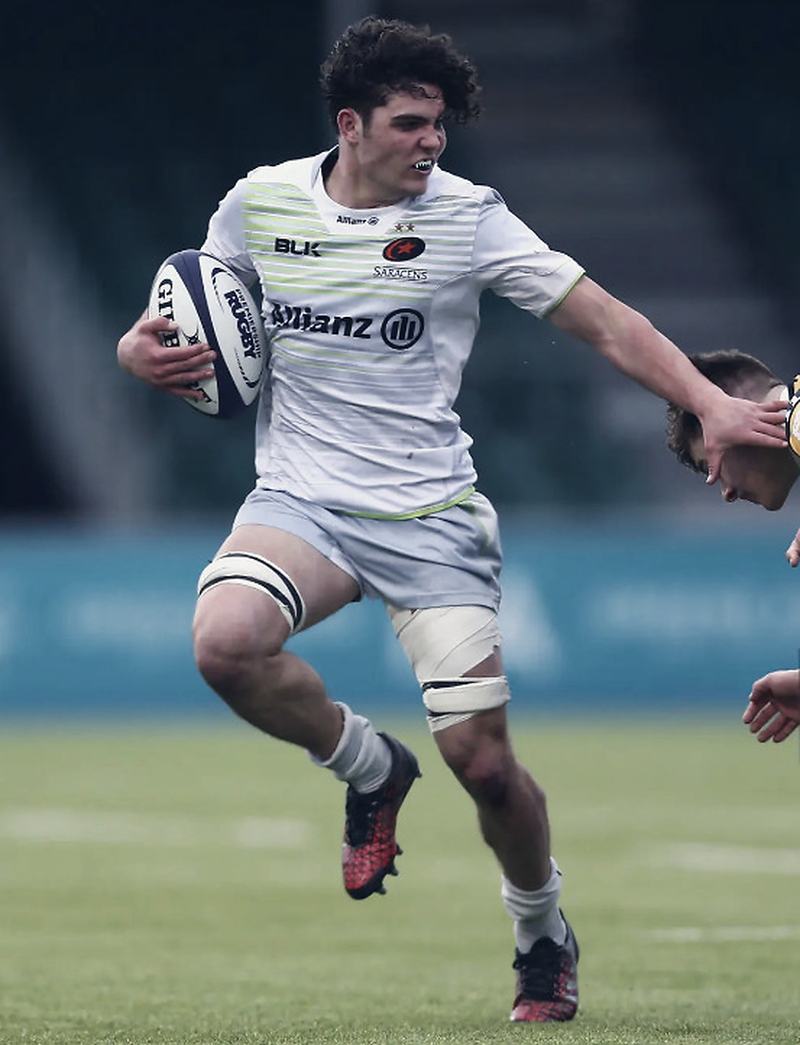
It starts on a rugby pitch in England.
It does not stay there.

Every sport

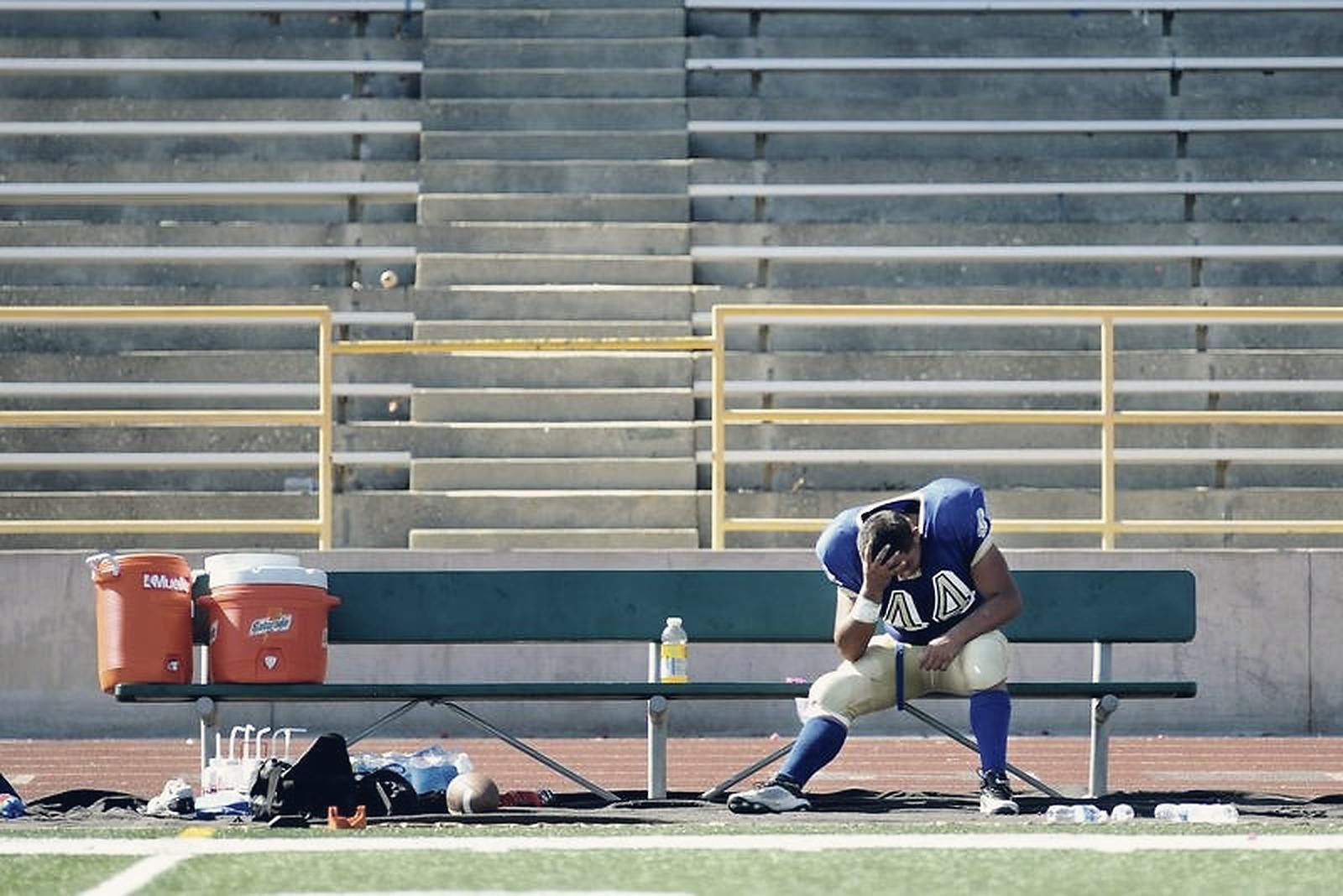
Change the shirt, change the country, change the sport.
The injury does not change.

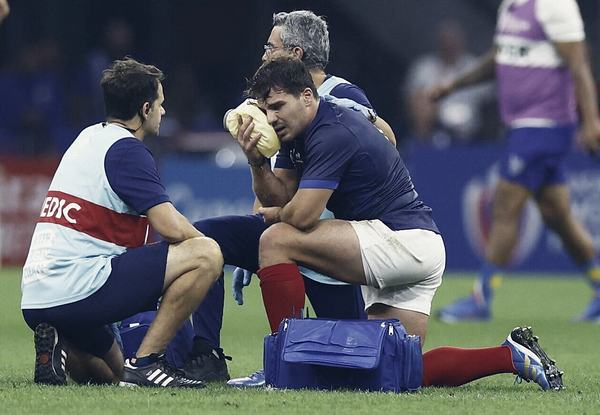
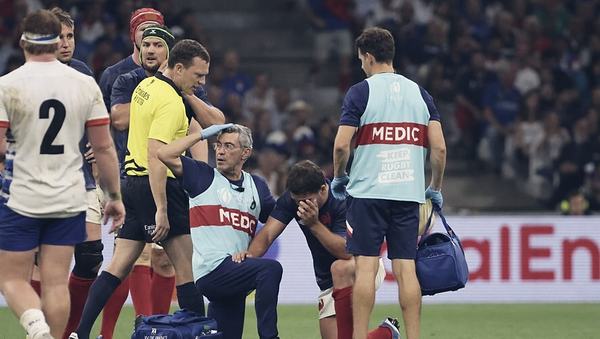
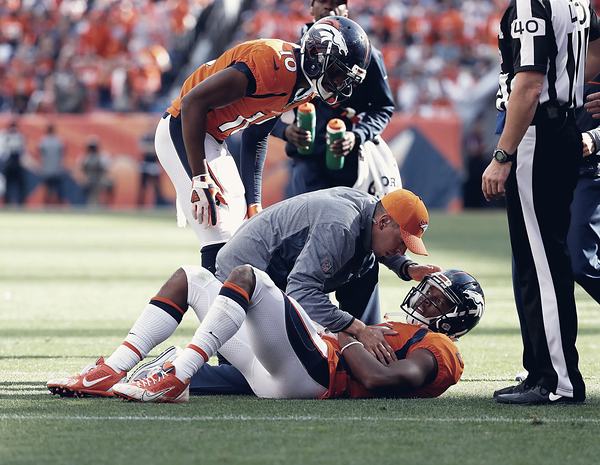
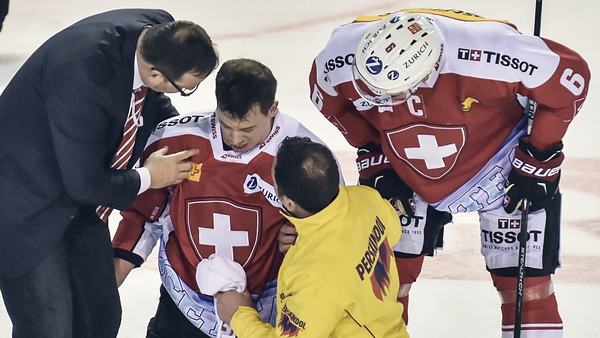
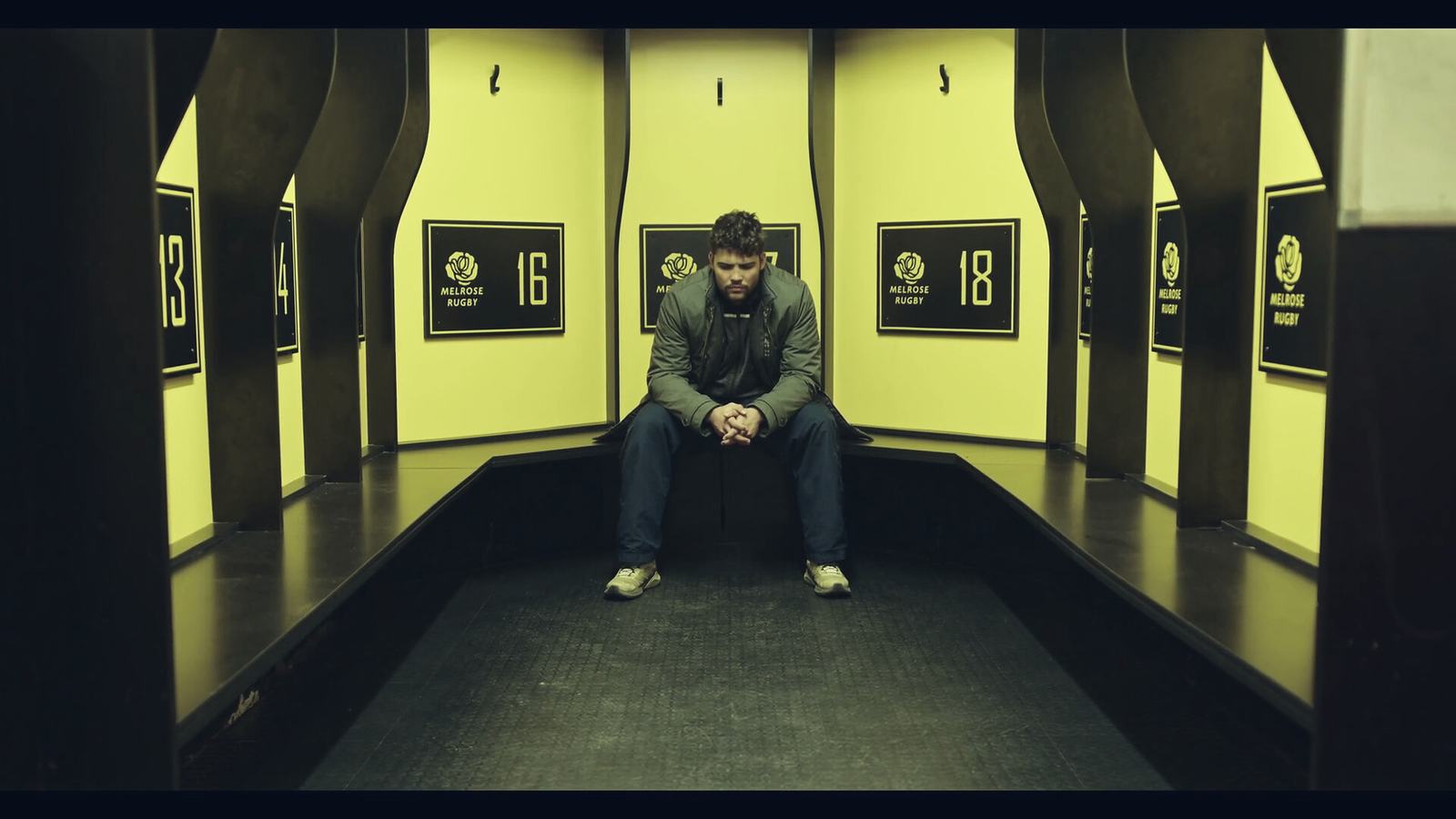
The film opens in rugby because that is where Dylan was hurt. It does not stay there. The same impact, the same missed diagnosis and the same silence run through every contact sport — and through the schools and Sunday leagues where nobody is watching at all.

Rugby500+ former players now cleared for trial
Football3.5× the neurodegenerative death rate
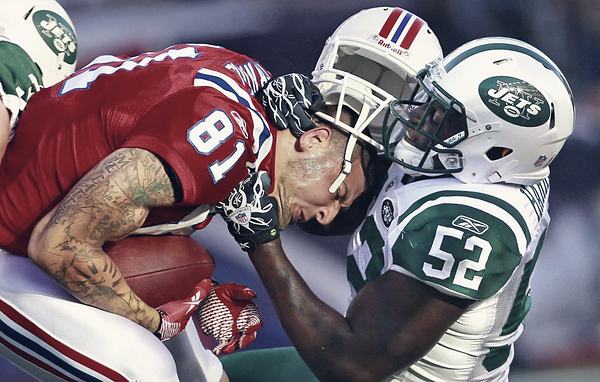
American football1 in 4 former NFL players had CTE
Ice hockeyProtocols still contested on the bench
CyclingNo.1 source of sport brain injury, US
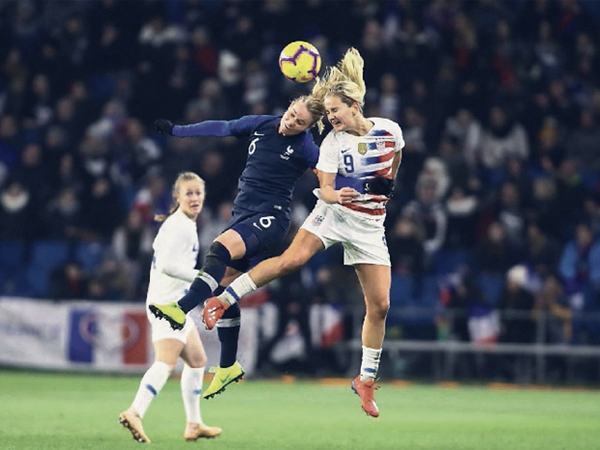
The women's gameConcussed more often. Diagnosed later.
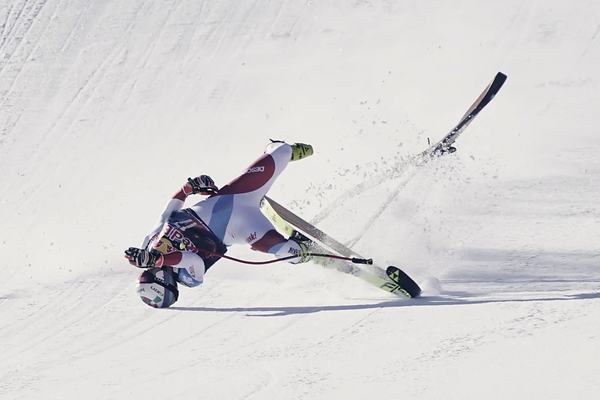
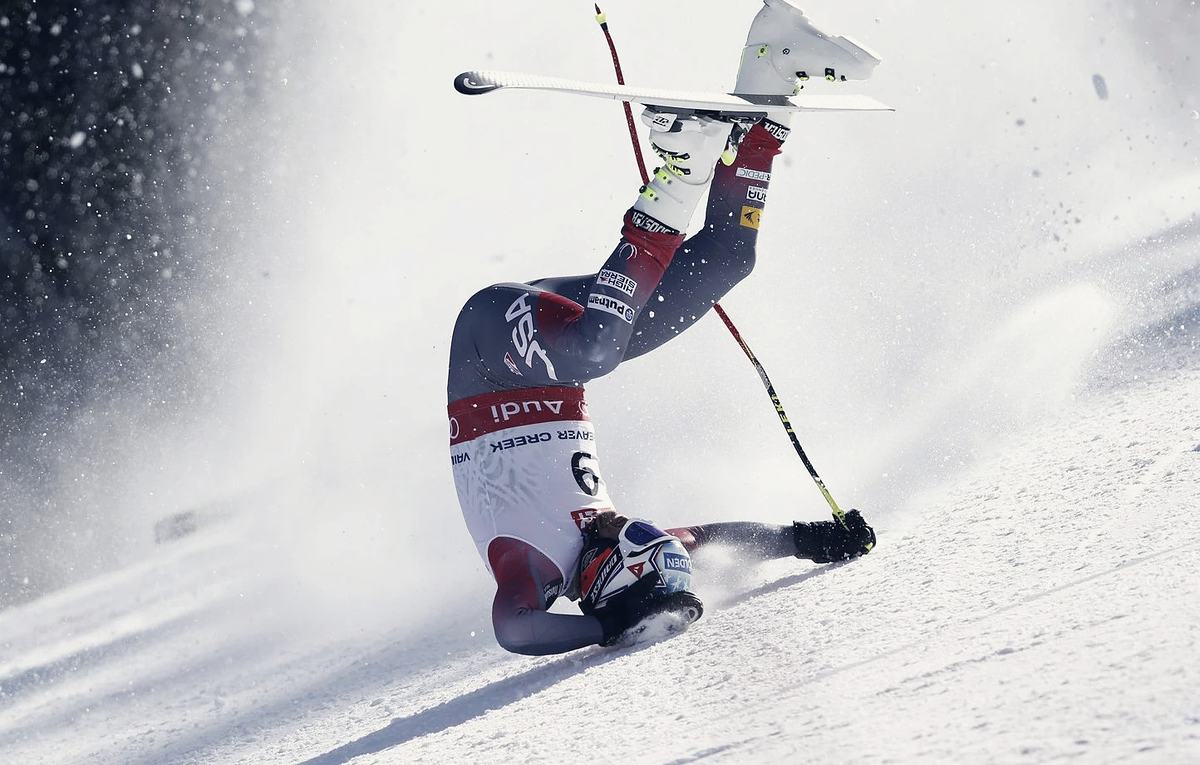
Snow sportsSpeed, ice, and no helmet rule for decades
Every levelFrom the NFL to the school playground

Why now

The reckoning started
this month.

21 August 2026

High Court, London

More than 500 former rugby players cleared to go to trial.

The court allowed the group action against World Rugby, the RFU, the Welsh Rugby Union and the Rugby Football League to proceed. The claimants say the bodies that ran their sport failed to protect them from concussive and sub-concussive blows.

25 August 2026

The BMJ · Boston University

At least one in four former NFL players had CTE when they died.

Researchers examined the deaths of 1,712 former NFL players. Of the 338 who donated their brains, 93% had chronic traumatic encephalopathy. In the general population it is under 1%.

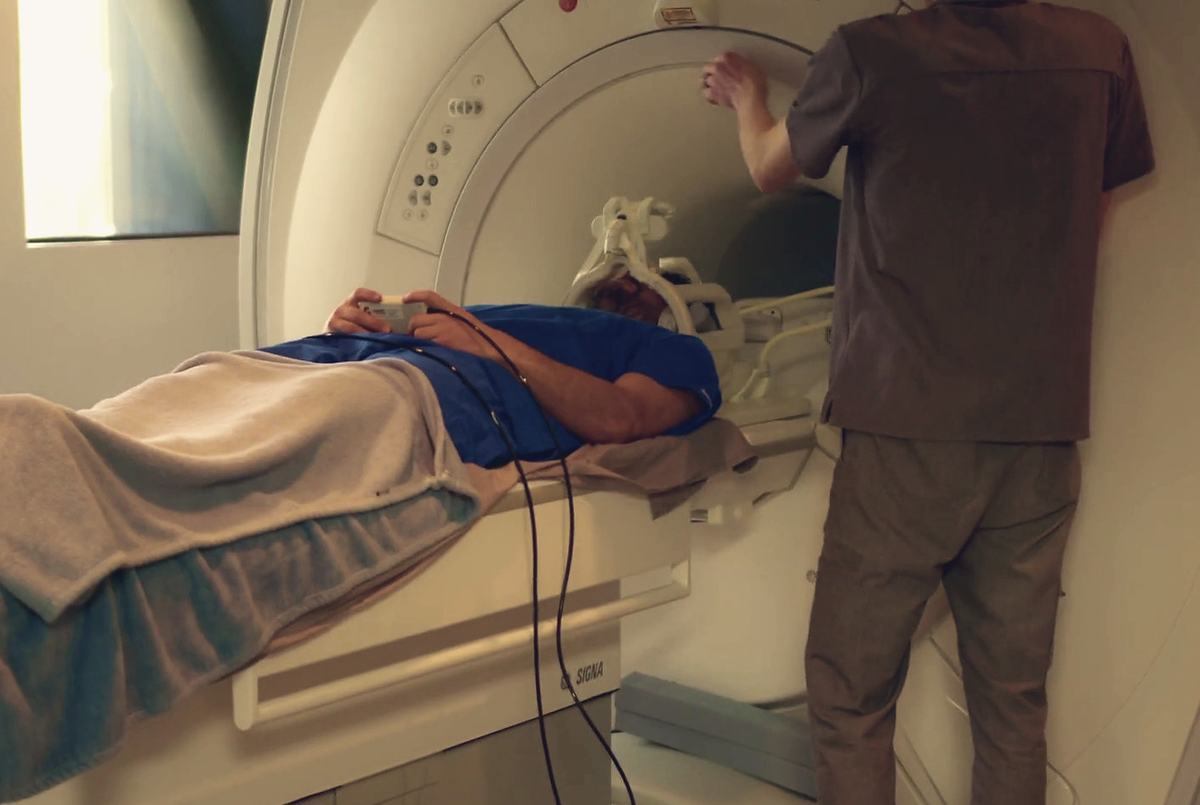
Functional imaging. What the old scans could not see.

This film does not arrive near the story. It arrives on top of it.

The scale

It is not a rugby problem.
It is a public health problem.

3.5×

the rate of death from neurodegenerative disease among former professional footballers

NEJM · 7,676 players

7 in 10

US emergency-room visits for sport-related brain injury are children aged 17 and under

CDC

No.1

cycling causes more sport brain-injury ER visits than any other activity in the US

CDC MMWR

27%

of adults surveyed report a concussion in their lifetime

US national survey

50–69M

people worldwide sustain a traumatic brain injury every year

CENTER-TBI

$400BN

estimated global economic cost of traumatic brain injury, every year

CENTER-TBI

Alpine skiing — no helmet required until 2006.

In sports played under identical rules, women are concussed more often than men — and diagnosed later.

Story arc

Six years, three continents, one answer.
A story only Dylan can tell.

Act 1

The Fall

In 2020, Dylan Taylor is twenty years old, with his whole life ahead of him. One collision, unremarkable at the time. But something doesn't come back. Migraines, dizziness, the inability to read, to sleep, to think. The doctors he sees all reach the same verdict: “The damage is permanent. Learn to live with it.” Rugby, his studies, his relationships, his future: everything collapses. His mother wants to protect him; he still wants to believe he can come back.

Act 2

The Widening

With medicine at a dead end, Dylan looks elsewhere. He meets former athletes severely diminished by the game, their families, specialists developing new approaches. Each encounter widens the film: what looked like a personal tragedy turns out to be a global public health crisis — and the science unfolds on screen while he is being treated, never apart from it.

Act 3

Passing It On

There is no miracle cure, and Dylan learns that the hard way. But he finds treatment protocols, turns his own experience into knowledge others can use, and pushes to change how this injury is handled. Recovery is no longer only his own goal; it becomes a mission. The film closes on an open question: between sport and medicine, the conflict is not resolved — and that is precisely why it has to be looked at head-on.

Key characters

Dylan & Laura Taylor.

Dylan Taylor

The protagonist

Dylan Taylor is a promising young rugby player with big dreams. But he is also an unknown — not famous, not influential; someone with an ordinary family and ordinary friends, someone you could know. He is about to fulfil his dream of professional rugby when a concussion forces him into retirement.

As his life collapses, he is torn between the urge to play again and blaming the sport for what happened. Finally, he realises the problem is bigger than him and rugby — and that he can act.

Against all odds, with little more than tenacity and passion, this young man overcomes an impossible fight, reaches a greater goal — helping others in difficulty and saving the sport — and changes forever the way the world sees concussion.

Laura Taylor

The mother

Dylan's mother, who feels guilty for letting her son play rugby and suffers alongside his injury. She stands against Dylan, urging him to move on and to give up hope of ever returning to the game.

Casting portrait to come

Supporting characters

The people who lived it.

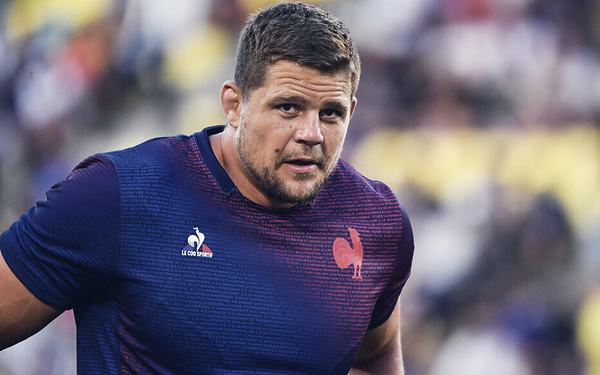
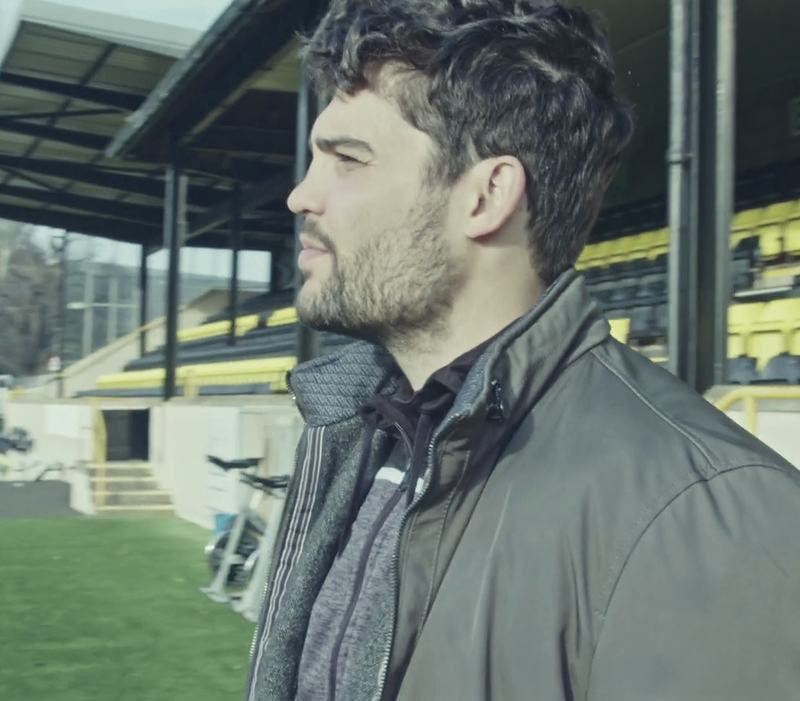
Paul Willemse

The familiar face

Rugby · France

Former French rugby international, forced to end his career by concussion. His testimony opens the film to the reality of professional sport: behind the stadiums and the titles, damaged bodies, affected families, lives to rebuild.

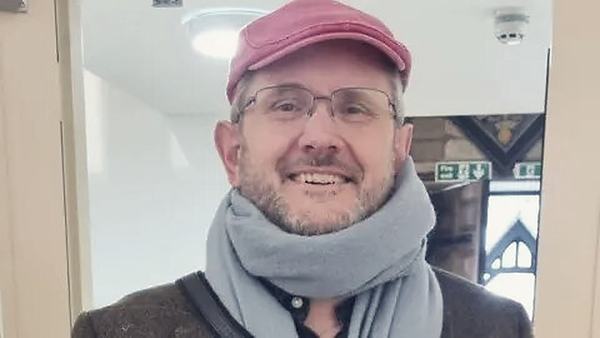
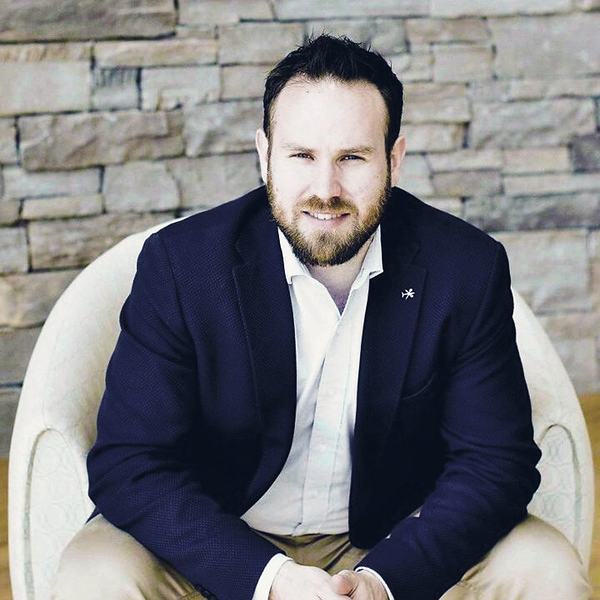
Jamie Batterham

The warning

Rugby · England

A former player marked by years of rugby, Jamie embodies the film's darkest horizon: lasting brain damage, early dementia, institutional abandonment. For Dylan, he is both an intimate fear and the face of what could happen to so many others.

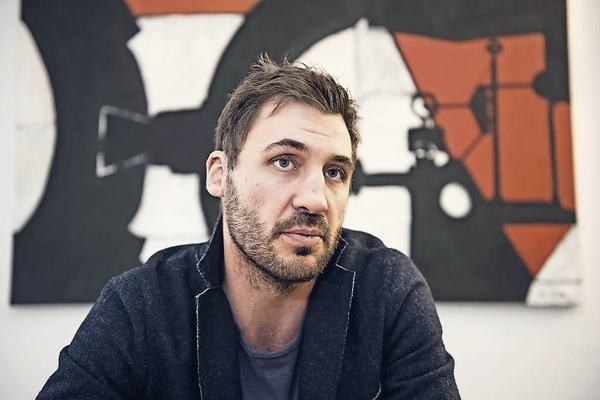
Eric Walsky

Beyond rugby

Ice hockey · Switzerland

A former professional ice-hockey player in Switzerland, Eric takes the subject beyond rugby: concussion cuts across the whole of sport and can durably upend health, family life, careers and the sense of self.

Supporting characters

The people who can change it.

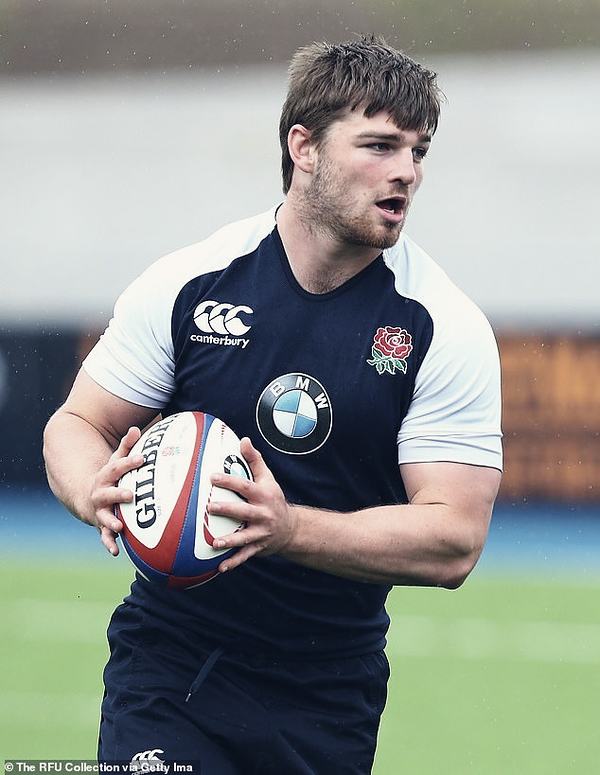
Matt Hankin

The recovery

Rugby · England

A former Saracens professional who lived for years with persistent symptoms and medical wandering, Matt's journey shows that a path to recovery exists once the right care finally arrives.

Dr Cameron Marshall

The science

Concussion specialist · Canada

A leading concussion specialist who has spent more than a decade gathering and translating the most advanced research, guiding thousands of patients and practitioners. In the film, he is one of the central medical voices — turning complex science into concrete paths to recovery.

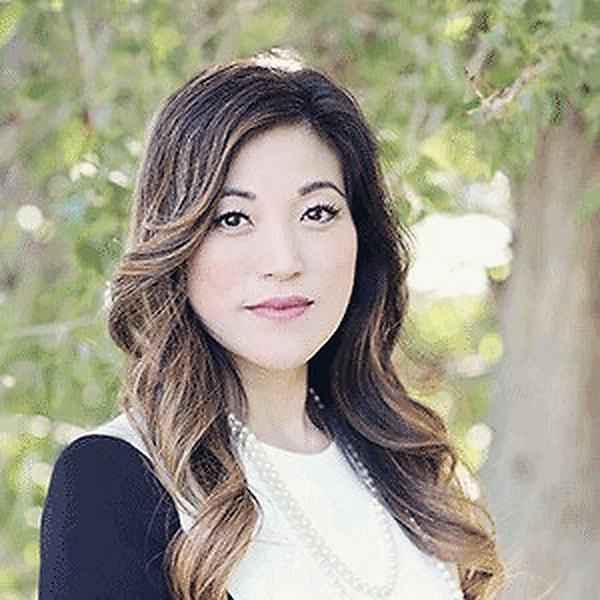
Dr Alina Fong

The clinic

Cognitive FX · United States

Co-founder and clinical director of Cognitive FX, clinical neuropsychologist and specialist in brain trauma. For over ten years she has treated patients from around the world with persistent post-concussion symptoms, placing concussion in a global public-health perspective.

Dylan Taylor

Access that cannot be replicated.

The subject, the patient and the director are the same person. Dylan Taylor is not a journalist or a doctor examining this from a distance. He was the patient for six years; he did the research, knocked on every door, tested every treatment in his own body. A promising young player at the time of his injury, he is also an unknown — someone with an ordinary family and ordinary friends, someone every viewer could know.

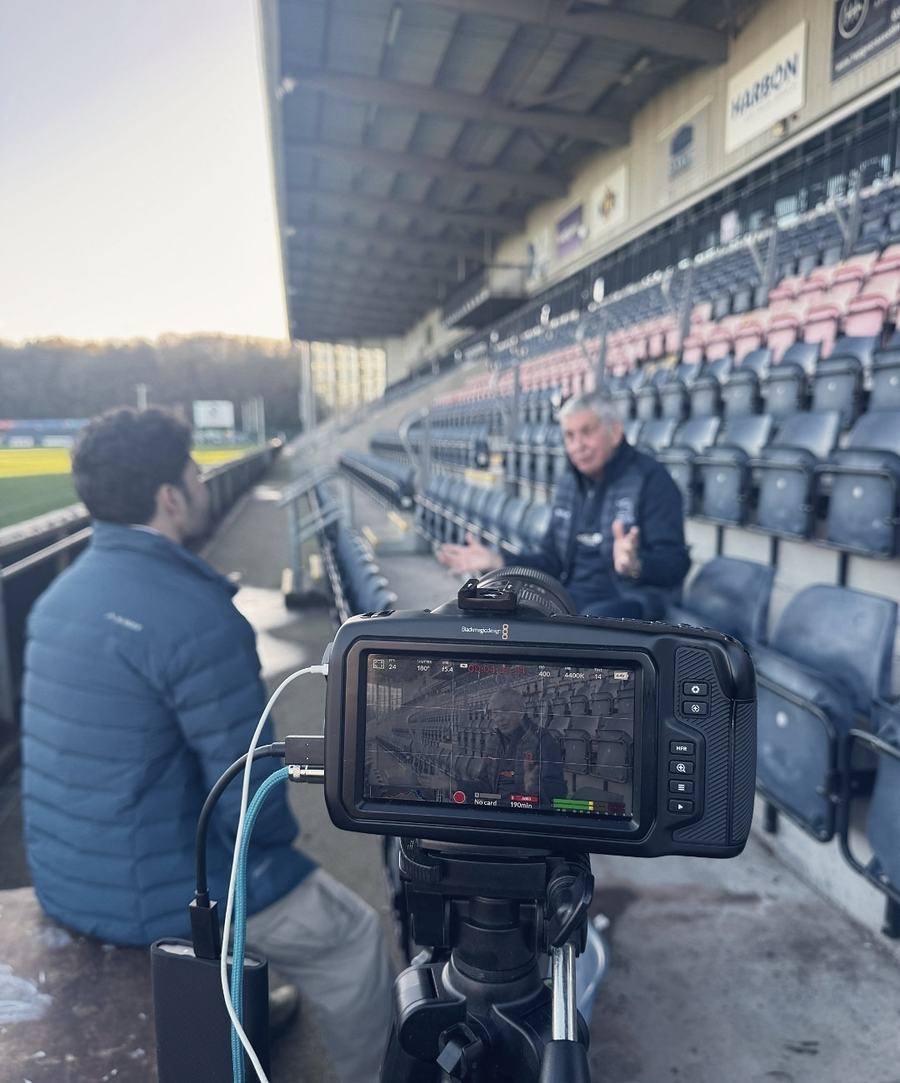
That position gives the film what no production can buy: six years of lived access to clinics, specialists, changing rooms and families; a camera already inside the story; and a first-person narration whose honesty could never be reconstructed.

Today, his experience is feeding concrete work: a treatment protocol currently in development with CHUV Lausanne and the Swiss Olympic Committee.

6 years

of filmed access, before a commission

3

continents, already travelled

12+

clinics and institutions, doors already open

The team

Who is making it.

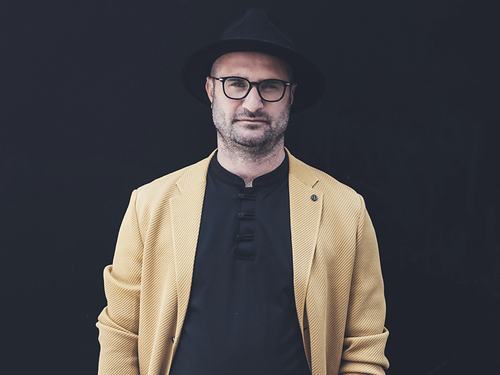
Ali Sinaci

Producer

Born in 1980 in Pazarcık, Turkey, of Kurdish origin, Ali Sinaci immigrated to Switzerland in 1989. A self-taught filmmaker, he founded AS CINEMA in Lausanne in 2014. His productions include Le Scarabée d'Or (2015), Doosra — Keertigan Sivakumar's internationally awarded short — Vous n'êtes pas Ivan Gallatin (2022) by Pablo Martin Torrado, selected for the Swiss Film Award, and the international coproduction Théa & Fritz: Les Amants de Metropolis (Canal+, 2026).

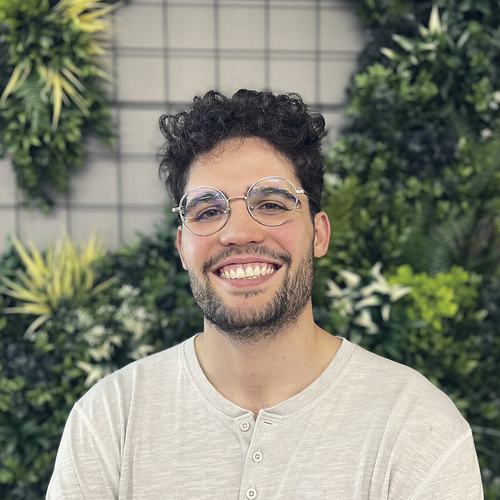
Dylan Taylor

Director

A British author and director based in Switzerland. At 20, a concussion suffered in a rugby match ended a promising career and plunged him into years of suffering ignored by the medical establishment. Refusing to give up, he undertook a long journey of research and recovery that led him to the world's leading specialists. He now devotes his energy to raising global awareness of concussion through Tackling Concussion — a story he carries in the first person, with a legitimacy no one else can claim.

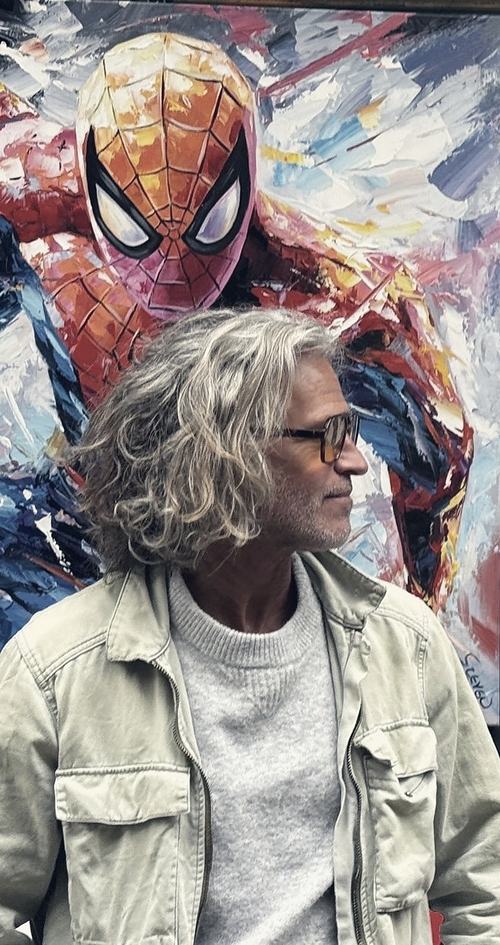
Joseph Areddy, SCS

Director of photography

Born in 1964, Swiss and American, BFA in Film from New York University (1987). Director and cinematographer across narrative, documentary and commercial work, including Spartiates (Solothurn Prize) by Nicolas Wadimoff, Les Dames (Locarno), La Mif (Best Film Namur, Génération Berlin) by Fred Baillif, Bisons by Pierre Monnard and Vous n'êtes pas Ivan Gallatin. Member of the Swiss Cinematographers Society (SCS).